
October 2026
Sexual offences and Kenya's prisons: what the numbers mean
About 31% of Kenya's convicted prison population is serving a sentence for a sexual offence. That is why offence-specific rehabilitation exists.
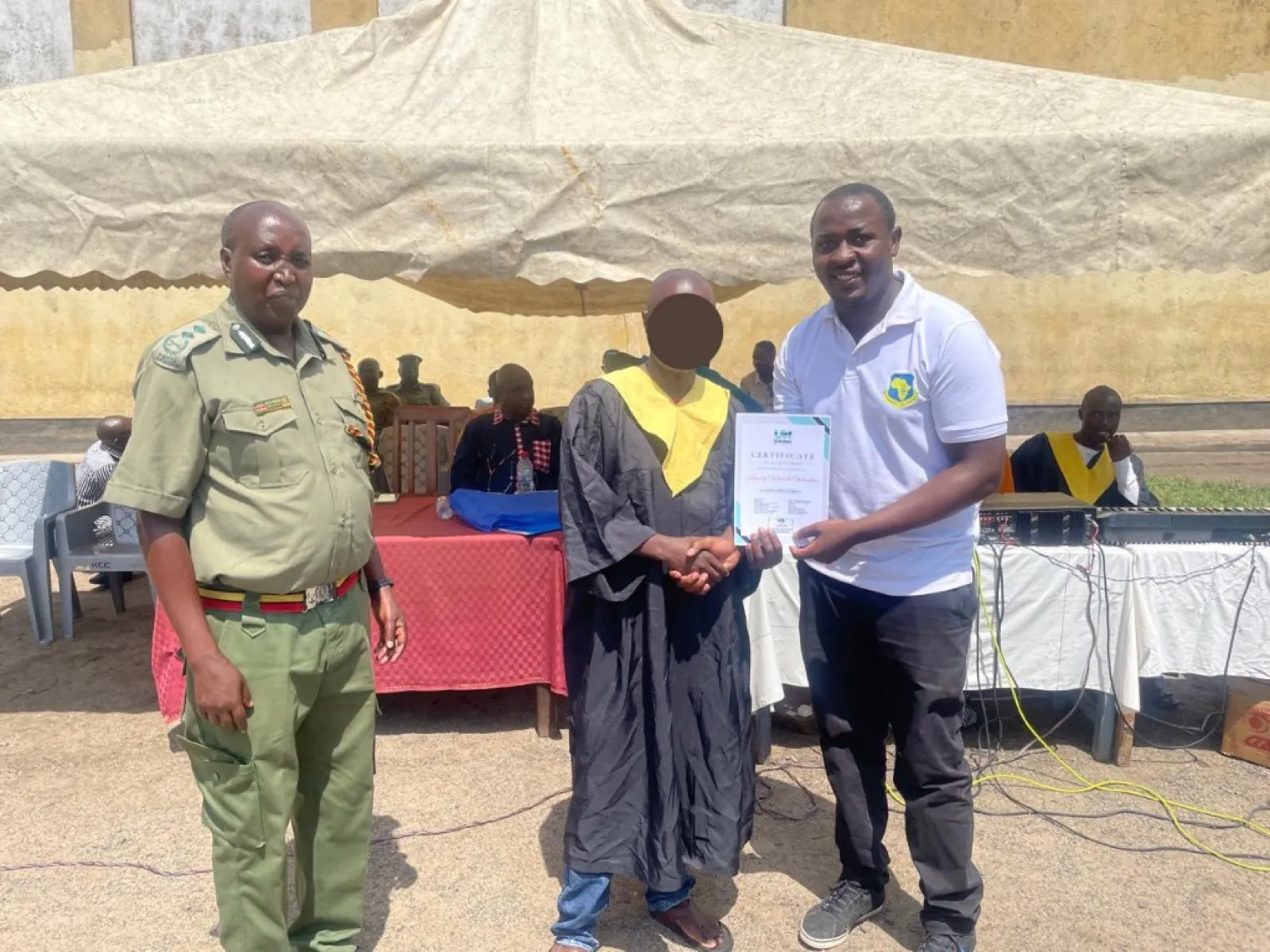
At the March 2026 SOTP graduation at Kamiti Maximum Security Prison, the State Department for Correctional Services set out the scale of the problem. The convicted prison population stood at almost 37,000 people. Of those, 11,108 were serving sentences for sexual offences, about 31%. Defilement accounted for 78.3% of those cases, rape for 10%, incest for 6.1%, and other sexual offences for 5.6%.
Why does that figure matter?
A prison sentence marks the offence. It does not, by itself, change the thinking, the substance use, or the lack of empathy that made the harm possible. When nearly a third of convicted people are in prison for sexual offences, and most of those cases involve children, generic prison programmes are not enough. The work has to be specific to the offence.
What is already happening inside prisons?
Ustawi Network and the Kenya Prisons Service run SOTP in maximum security prisons so that men convicted of these offences study responsibility, the law, the impact on victims, and how to avoid further harm. Principal Secretary Dr Salome Beacco, speaking at the Kamiti graduation, said justice has to continue through rehabilitation and reintegration if future harm is to be prevented.
The numbers are a reason to invest in treatment and in what happens after release. They are not a reason to treat every man as beyond change, or to forget the people who were harmed.